Almost everything people are furious about — rent, groceries, your
utility bill, who gets listened to — runs back through the same
question. Not left or right. Bought or not bought.
It is also the most common thing people say would make them
participate: get corporations and their money out of the way. That is
the reason the ballot below is worth your November.
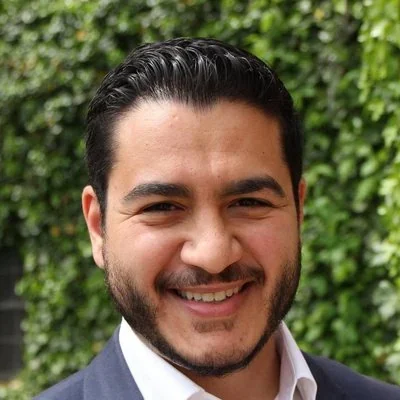
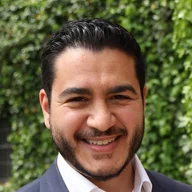
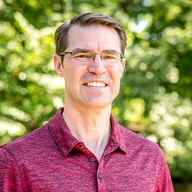
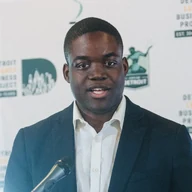
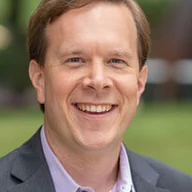
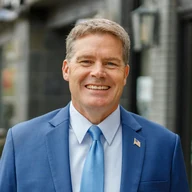
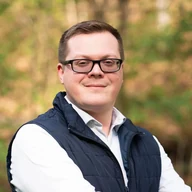
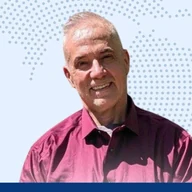
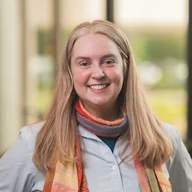
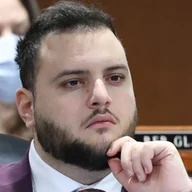
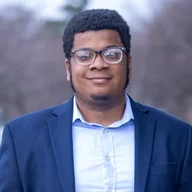
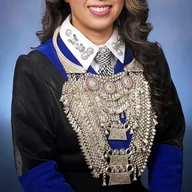
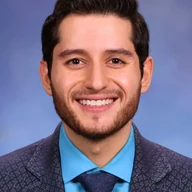
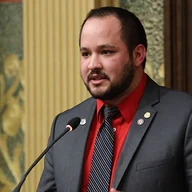
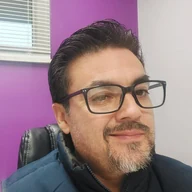
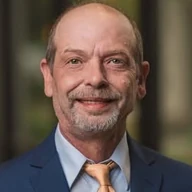
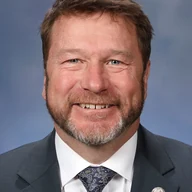
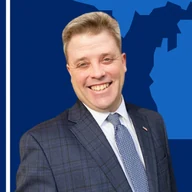
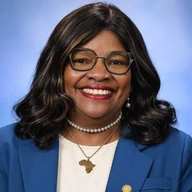
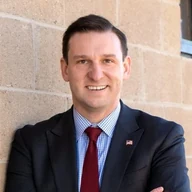
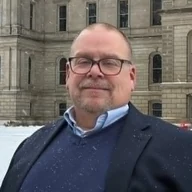
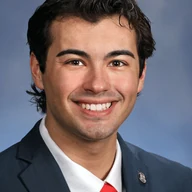
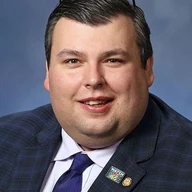
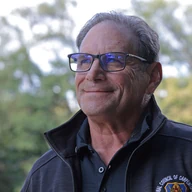
U.S. SenateAbdul El-Sayed (backed by our progressive coalition or a partner organization)
He has never taken a dime of corporate PAC money or DTE
money. In a race where that is not true of everyone else, it
is not a talking point — it is the entire difference.
What he says he's there to do
Three things, in his order:
Get money out of politics.
Put money back in your pocket.
Pass Medicare for All.
Notice the first one. Most candidates put campaign finance last, in
the section nobody reads. He leads with it, which is the tell that he
means it.
What he has already done
Anyone can promise. This part has numbers attached:
Ran the Wayne County program that has wiped out
$57.4 million in medical debt for 83,291 people —
debt that was wrecking credit for the crime of getting sick. It is
funded to buy up to $700 million for 300,000 Michiganders over its
full run; that is the ceiling it is aiming at, not the total so far,
and his own ads have blurred the two.
Got lead out of school drinking water.
Got free glasses to kids who needed them and could
not afford them.
His own line, and it's the right one
"Life in Michigan shouldn't be this hard or expensive."
That is the whole argument in one sentence. It is not a slogan about
democracy in the abstract, and it is not a five-point plan. It is the
thing you already think every time you look at a receipt.
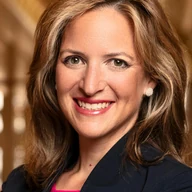
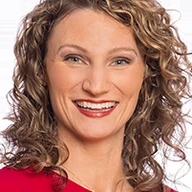
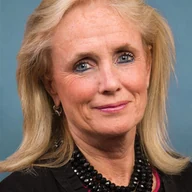
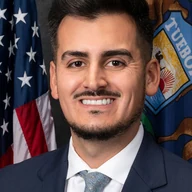
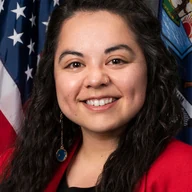
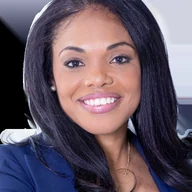
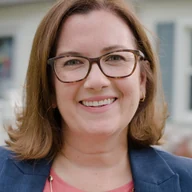
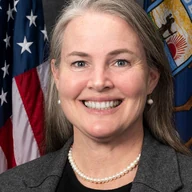
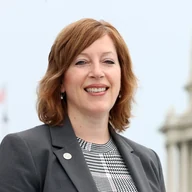
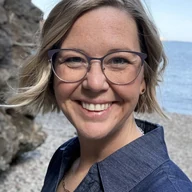
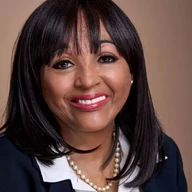
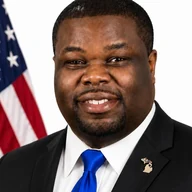
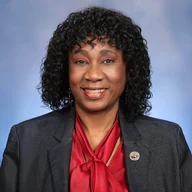
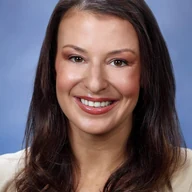
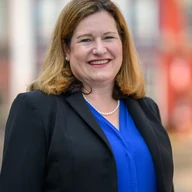
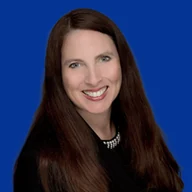
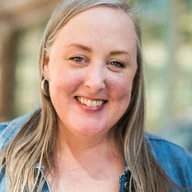
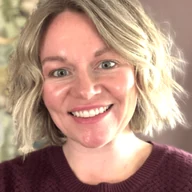
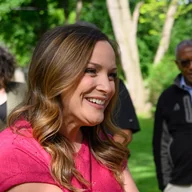
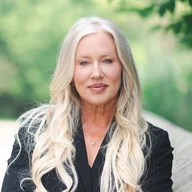
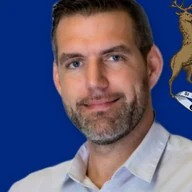
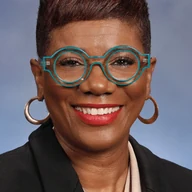
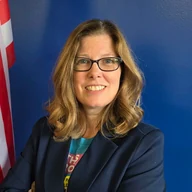
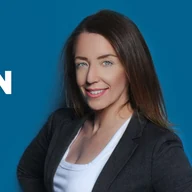
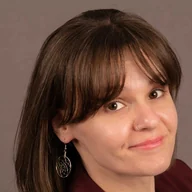
GovernorJocelyn Benson
In December 2020 she was at home putting up Christmas decorations with
her four-year-old when armed protesters massed outside her
house demanding she reverse Michigan's election result. She
certified it anyway. That is not a campaign anecdote — it is the job
description of the office she is leaving.
What she says she's there to do
She frames the whole thing as affordability:
Take on the utility companies that raise your rates.
Make childcare free.
Build more housing, and expand rural health care.
The utility line is the one to watch. It is the same fight as the
Money Out of Politics proposal further down this page, and a governor
appoints the commissioners who regulate DTE and Consumers.
What she has already done
Seven years running the Secretary of State's office, which is the
part of state government people actually touch:
Cut average branch wait times to 20 minutes or less,
and ended the take-a-ticket-and-wait system that produced the lines
everyone remembers.
Put in more than 150 self-service stations, many of
them in grocery stores.
Launched automatic and online voter registration,
and recruited over 30,000 new election workers.
For running the 2020 and 2022 elections she received the
John F. Kennedy Profile in Courage Award and the
Presidential Citizens Medal, the nation's
second-highest civilian honor.
Her own line
Make Michigan "the best place to be a kid, raise a kid, and call
home."
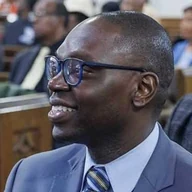
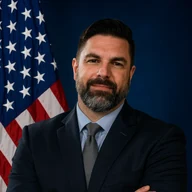
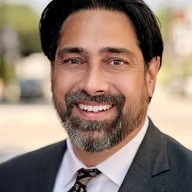
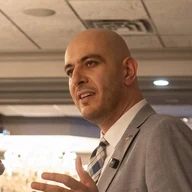
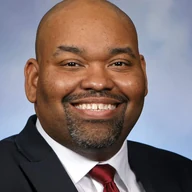
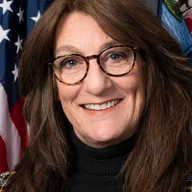
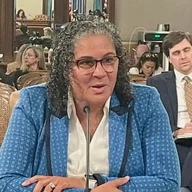
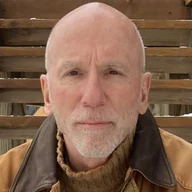
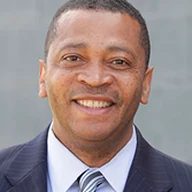
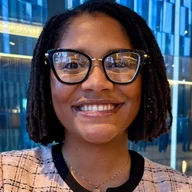
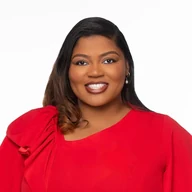
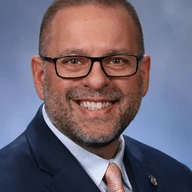
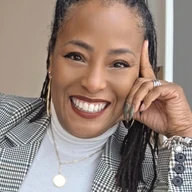
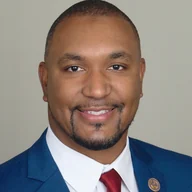
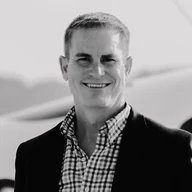
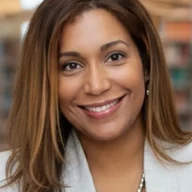
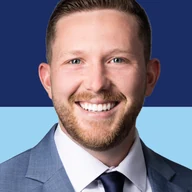
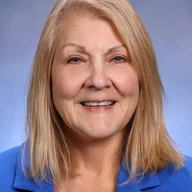
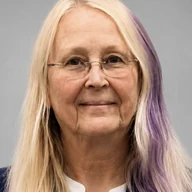
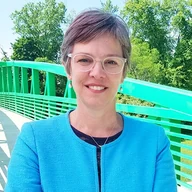
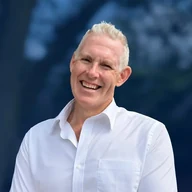
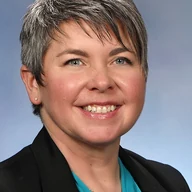
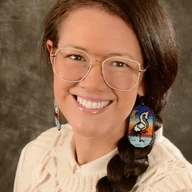
Secretary of StateGarlin Gilchrist (backed by our progressive coalition or a partner organization)
He chaired Michigan's Coronavirus Task Force on Racial Disparities.
When it started, Black Michiganders were 14% of the state and
more than 40% of its COVID deaths. By the time it finished,
that gap had almost entirely closed.
The numbers on that
From the task force's own final report, deaths per 10,000 Black
Michiganders:
22.8 in 2020.
16.2 in 2021.
8.6 in 2022.
Michigan outperformed the country on this. It is the rare government
program with a body count that went the right way, and it is the
strongest single thing on any résumé in this section.
What he says he's there to do
Modernize licensing and registration — the
branch-office work Benson started.
Protect your data. The department holds an
enormous amount of it.
Go after auto-repair scams, and, in his words,
stand tall against big tech.
He is a software engineer — he worked at Microsoft and was Detroit's
first Director of Innovation and Emerging Technology — and his
campaign's pitch is that he would be the only statewide elected
software engineer in the country. That is his claim, not ours, but the
engineering background is real and the office is largely a data
problem.
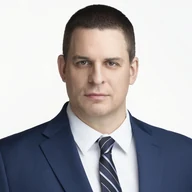
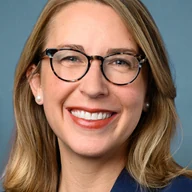
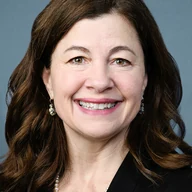
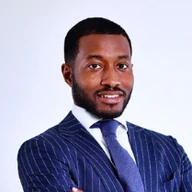
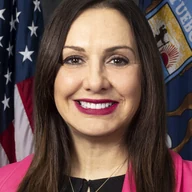
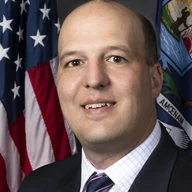
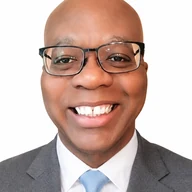
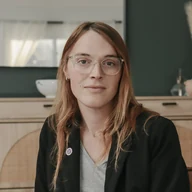
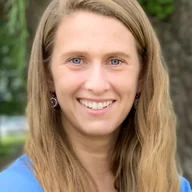
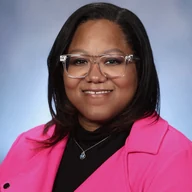
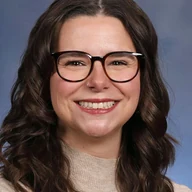
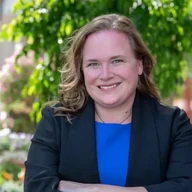
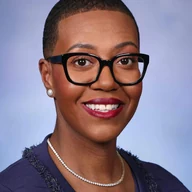
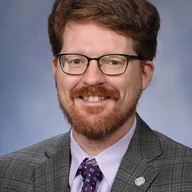
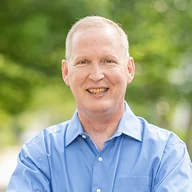
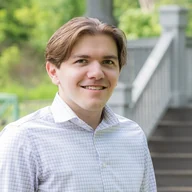
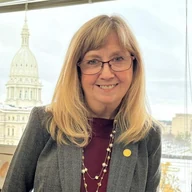
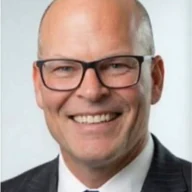
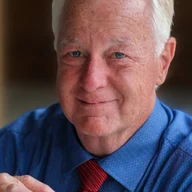
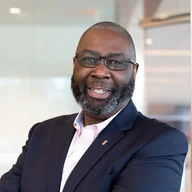
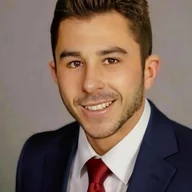
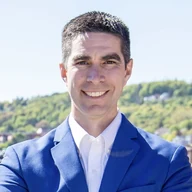
Attorney GeneralEli Savit (backed by our progressive coalition or a partner organization)
Three days into his term as Washtenaw County
prosecutor he stopped asking for cash bail — the first county in
Michigan to do it. Whether you sit in jail before trial, he argued,
should turn on whether you are dangerous, not on whether you are broke.
What he has already done
Not proposals. Things he did in his first month, and kept:
Ended cash-bail requests. First prosecutor's office
in the state.
Stopped charging kids for low-level offenses —
truancy, curfew, vaping, the things best handled outside a
courtroom.
Stopped prosecuting consensual sex work, while
still going after trafficking, assault and anything involving
children.
Built the state's only stand-alone workers' and consumers'
rights unit inside a prosecutor's office.
Opened his own office's numbers to the ACLU and the
University of Michigan to look for racial disparity in his
own charging decisions.
That last one is unusual enough to be worth stopping on. Prosecutors
do not generally invite anybody to audit them.
What he says he's there to do
Prosecute serious crime — he is explicit that the
county policies above are not a statewide platform.
Protect voting rights and reproductive freedom.
Hold polluters accountable, and chase down unpaid
wages.
Before Washtenaw he clerked for Justices Sandra Day O'Connor
and Ruth Bader Ginsburg, and worked on civil-rights
litigation in Detroit's law department.
The rest of the slate
Down-ballot
Congress, the state Senate and the state House are drawn by address, so
check your districts first and open the chamber you need. The boards and
the Supreme Court at the bottom are on every ballot in the state.
Your ballot has more Democrats on it than this page.
County offices — sheriff, prosecutor, clerk, register of deeds,
treasurer, drain commissioner, county commission — are partisan
too, and 2026 is a county year. We cannot list all 83 counties, but
the straight party mark covers those as well. Your own
ballot is previewable at
mvic.sos.state.mi.us.
marks candidates backed by our progressive coalition or its partner organizations.
Statewide 4 offices
U.S. SenateAbdul El-Sayed (backed by our progressive coalition or a partner organization)Site
Michigan prints its Supreme Court races in the nonpartisan
section, with no party label, further down the ballot. The
parties still nominate the candidates — these two are the
Democratic nominees — but if you mark the top of the ballot and
stop, you cast no Supreme Court vote at all. You have
to find them and mark them yourself.
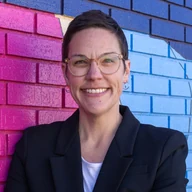
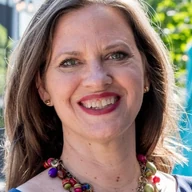
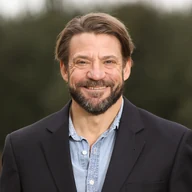
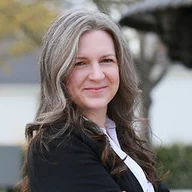
Campaign links and photographs are being added — where a candidate has
neither yet, their initials stand in.
✓ Vote the whole card
Down-ballot races are where turnout drops off hardest, which is exactly
where one ballot counts for the most. Nobody wins a State House seat by
forty thousand votes.
Underneath the candidates
Two proposals worth reading before you mark them
Both are about the thing this whole site is about: who pays your utility,
and who pays your politicians. Both are also being fought in court right
now, which is worth knowing before you count on either one.
Statewide · November 3
Money Out of Politics
It would bar regulated utilities — DTE and
Consumers among them — and companies holding more than
$250,000 a year in government contracts from giving to the
officials who decide their business: the governor, the attorney
general, legislators, and the utility commissioners themselves.
It is a change to state law, not to the
constitution — but because the voters would be adopting it
directly, the Legislature could not simply undo it. Under the state
constitution a law passed this way can only be amended or repealed by
three-quarters of both chambers, or by going back to
the voters. It is, more or less, the argument at the top of this page
written as a statute.
How to find it on your ballot. Numbers are assigned
when the Board of State Canvassers finalizes the ballot, so the surest
way to find it is by its wording. Look for the caption beginning
“a proposed initiated law to prohibit campaign
contributions from certain regulated utilities and government
contractors.” Your own ballot is previewable at
mvic.sos.state.mi.us,
and that is the version that counts.
Where it stands. The Board of State Canvassers
certified the signatures 3–1 on July 24
— by nine signatures, 645 valid in a
1,000-signature sample against a threshold of 636, the narrowest
margin anyone can remember. The board approved the ballot wording on
August 17. The House then voted 77–26 to adopt it
outright, which would have kept it off the ballot, but both
chambers have to act and Senate Majority Leader Winnie Brinks said
the Senate would not: “we will not be subverting the will of
the voters.”
⚑ Still being litigated
A committee funded by utility and insurance money sued in the
Michigan Supreme Court on August 4 to strike
it, arguing the state used the wrong signature threshold. As of
September 4 the court had issued no order at
all, and no hearing has been scheduled. It is on the ballot unless
that changes.
A city charter amendment. It directs Council to set up a
municipal electric utility and creates a nine-member
board — five elected one per ward, four appointed — with
Council approving rates and borrowing.
It does not buy DTE's poles and wires, and it does
not switch anyone's power over. Board members would be elected in
2028, and an acquisition vote could follow after
that. This one only decides whether the body exists.
Where it stands. City Clerk Jacqueline Beaudry
certified the petition on August 4 with more
than 5,000 valid signatures, and the Governor and the Attorney
General's office signed off in August, as a charter amendment
requires.
⚑ Sued to keep it off, and lost — twice
The Ann Arbor Responsible Energy Coalition — which took a
single $1.8 million check from DTE, nearly
every dollar it has raised — sued to strike the question.
Judge Patrick J. Conlin of the Washtenaw County Trial Court
dismissed that suit on August 25, finding the
clerk's canvass complied with the Home Rule City Act. The coalition
appealed and lost again on September 3: a
divided Court of Appeals panel held the clerk was not clearly
required to reject signatures filed after the first batch, one
judge dissenting. The coalition could still ask the Michigan
Supreme Court. The question is on the ballot.
Status checked September 3, 2026. Ballot questions
get litigated late; your clerk and
mvic.sos.state.mi.us
are the authority on what is actually printed on your ballot.
Two minutes
How to vote the whole slate
All of it is on one ballot. Here is the whole process, including the two
things that stop most people.
01
One mark votes all of it
Top-left of the partisan section there is a box marked straight
party ticket. Fill the Democratic oval and every name on this
page that appears on your ballot is voted. You can still override any
single race by marking it yourself.
Not registered? Go to your city or township clerk's
office — not your polling place — any time through
8 p.m. on Election Day. Register and vote in the
same visit. Bring an ID or something with your address on it.
A straight ticket does not reach the back of the ballot. Judges,
school board and any proposals are counted
separately, and one mark leaves every one of them blank.
Three specific people you can picture — not a broadcast. And lead with
the mechanics, not the pitch: "you can still register" and "one mark
votes the whole ticket" are the two things standing between them and a
cast ballot.
Then ask the only question that matters:
"When are you voting?"